Generation Z, commonly referred to as Gen Z, comprises individuals born roughly between 1997 and the early 2010s. This generation has grown up entirely within the ecosystem of smartphones, social media platforms, artificial intelligence, and instant global connectivity.
Never before has a generation had such rapid access to information, opportunity, and technological tools. Yet, paradoxically, mental health professionals and social observers are increasingly pointing toward a silent crisis unfolding within this digitally empowered cohort.
While Gen Z is often praised for its adaptability, inclusiveness, and technological fluency, it is simultaneously grappling with unprecedented levels of anxiety, emotional distress, identity confusion, loneliness, and a lack of clarity about life’s purpose.
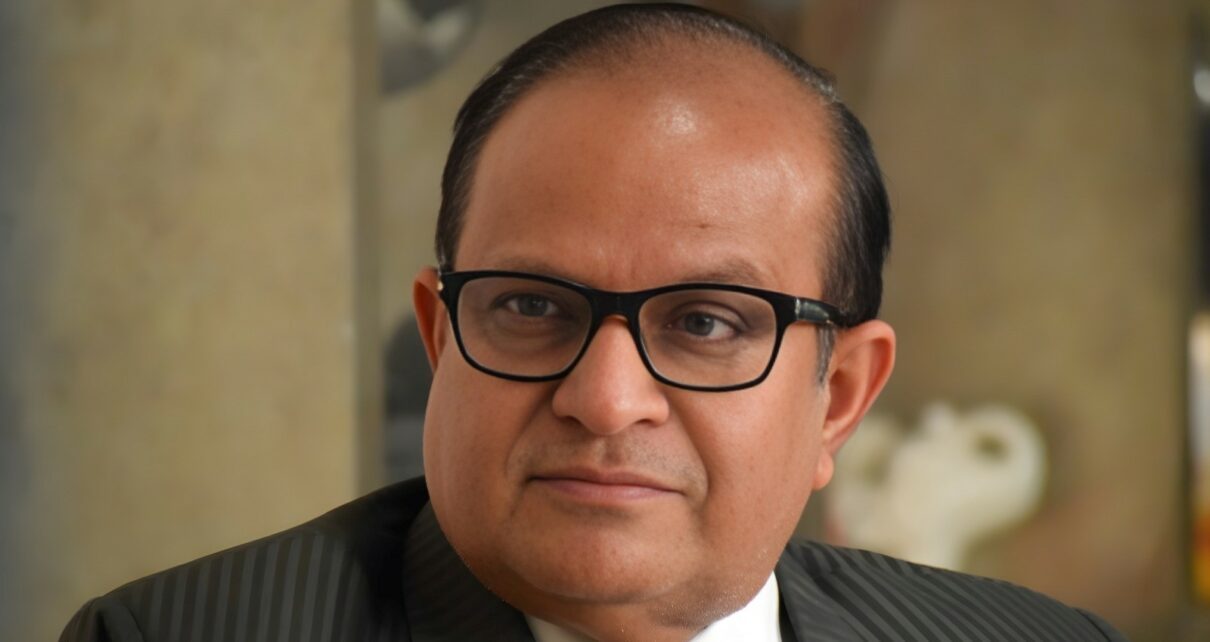
According to Indian physician and consciousness-based health thinker Professor Amod Sachan, these challenges are not isolated psychological issues but symptoms of a deeper imbalance in modern living.
“Gen Z is overstimulated, over-informed, and yet under-connected with its own inner world,” Professor Sachan observes.
Rising Mental Health Concerns in the Digital Generation
Across the world, data and clinical observations suggest that Gen Z is experiencing significantly higher rates of anxiety disorders, depression, insomnia, stress-related illnesses, and attention difficulties compared to previous generations.
Academic pressure, constant performance evaluation, career uncertainty, economic volatility, and excessive exposure to screens are among the key contributing factors.
Professor Sachan points out that social media has amplified a culture of constant comparison. Young individuals often measure their self-worth through online metrics such as likes, followers, and views.
“When validation comes primarily from outside, inner stability becomes fragile,” he explains.
Identity Crisis in a Performative World
One of the defining struggles of Generation Z is the crisis of identity. In a digital culture where individuals are constantly curating versions of themselves online, identity often becomes performative rather than authentic.
“Young people today often know how they appear, but not who they are,” he says.
The Search for Purpose in an Age of Abundance
Professor Sachan describes this condition as “achievement without meaning.” Success today is often defined by external markers—degrees, salaries, social status—while inner fulfilment is neglected.
The Mind–Body Disconnect
Modern lifestyles have significantly disrupted the natural balance between mind and body. Irregular sleep patterns, sedentary routines, unhealthy dietary habits, and chronic mental fatigue are increasingly common.
“The body speaks what the mind suppresses,” he explains.
Meditation and Emotional Awareness
According to Professor Sachan, meditation is not an escape from reality, but a method of restoring inner balance, strengthening emotional resilience, and reconnecting the mind with the body.
About the Author
Professor Amod Sachan MD, FRCP (Edinburgh)
Founder & Chairman
Shekhar Hospital, Lucknow
Hind Institute of Medical Sciences, Barabanki–Sitapur